

Most people only think about their roof when something obvious goes wrong. A leak after heavy rain. A patch of damp creeping along a ceiling. A tile sitting in the grass after a windy night. These things feel sudden, but they rarely appear out of nowhere. Roof problems usually start small, long before they reach the inside of your home. That is where regular inspections make a real difference.
A roof inspection is not dramatic. It does not turn into a major project. Yet it quietly protects your home in ways that save money, prevent stress and add years to the life of the roof itself.
Why Small Problems Become Big Ones
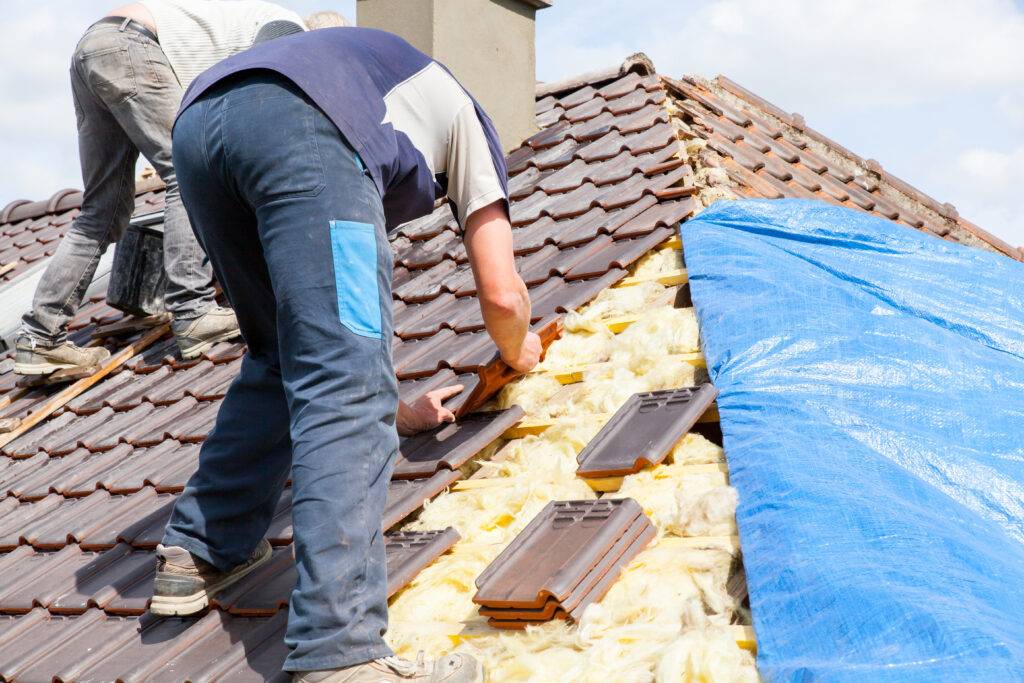
If you ask any experienced roofer, they will tell you the same thing. Most major issues began as something tiny. A small crack in a tile. A slight lift in the flashing. A patch of moss that has pushed water into a weak point. You will never notice these things from the ground. They sit there quietly until water finds its way through.
Once water gets in, the rest happens quickly. Insulation absorbs moisture. Timber softens. The ceiling starts to stain. Mould forms in corners that never dry properly. Suddenly you are dealing with a repair that costs far more than it should have.
Regular inspections stop this chain of events long before it becomes visible. A roofer sees what you cannot. They look at ridges, valleys, joints, gutters, chimneys and edges where leaks often begin. A tiny correction today avoids a hundred times more damage later.
The Challenges of Irish Weather
Roofs in Ireland do not get an easy life. Anyone living in Cork knows how quickly the weather turns. One week brings heavy rain that never seems to stop. The next brings sharp winds and cold nights. Then you might get two days of unexpected heat followed by another week of damp. All that movement takes a toll.
Tiles shift slightly. Felt contracts and expands. Gutters fill, overflow and put pressure on the fascia boards. Even the smallest amount of movement can open a gap that rainwater will happily explore.
An annual inspection keeps your roof ready for whatever the weather decides to do next. Fixing things before winter storms or heavy rainfall saves you from emergency callouts during the worst time of year.
A Roof Is an Investment That Needs Attention
People sometimes forget that a roof is one of the biggest investments on a property. It protects every room below it. It influences heating bills. It affects ventilation and even air quality. When you keep it in good shape, the entire home benefits.
Inspections help extend the life of that investment. When small problems are repaired early, the structure stays stronger. Tiles last longer. Gutters remain stable. Flashing stays sealed. You get more years from the roof before needing a replacement.
Replacing a roof is a major cost, but maintaining it is not. That is why inspections are such a financially sensible habit.
Peace of Mind for Homeowners
One thing homeowners rarely talk about is the anxiety of not knowing. They wonder if the roof is fine. They hope the damp patch last year has not returned. They listen for drips during storms. A simple inspection removes all of that worry.
After a check, you know exactly where things stand. You know if the roof is sound or if something needs attention. You know what has changed since the last visit and what to keep an eye on. That clarity alone makes inspections worth it.
Inspections Are Not Only for Older Roofs
It is common to think newer homes do not need checks, but that is not true. A roof can move slightly during the first few years as materials settle. Weather exposure begins immediately. Gutters loosen. Minor gaps appear where the roof meets walls or chimneys. These are normal shifts and easy to correct when noticed early.
Skipping inspections on a newer home often leads to the first problem appearing as a leak rather than a small fix. A quick yearly review keeps everything tight and stable.
Examples of What Inspections Catch Early
Here are a few common findings that homeowners are usually unaware of until a professional points them out.
- A slipped ridge tile is one. It is high up and easy to miss, yet it is one of the most common entry points for rainwater.
- A second example is worn pointing around a chimney. Even the smallest crack can allow moisture to run down the chimney breast and appear inside bedrooms.
- Another regular issue is blocked gutters. When water cannot flow properly, it spills over the edge and runs down exterior walls. Over time this causes damp patches behind plaster and can even damage insulation.
- All of these problems are simple to handle when caught early. None require major work. They only become expensive when left unnoticed.
When Is the Best Time to Schedule an Inspection
Most homeowners choose spring or autumn. Spring reveals any damage caused by winter storms. Autumn prepares the roof for the months ahead. Either option works, and even once a year is enough to stay ahead of trouble.
The key is consistency. A roof checked regularly stays in far better shape than one that only gets attention after something has gone wrong.
Inspections Can Improve Energy Efficiency
Roof problems do not only cause leaks. They also affect heating costs. Damaged insulation, ventilation gaps and damp timber all change how a house retains heat. When a roofer inspects your roof, they can spot these weaknesses and help restore proper efficiency. Over time, that reduces energy bills and makes the home feel more comfortable.
A Simple Habit That Protects Your Home
A roof inspection is not complicated. It does not take long. It does not leave a mess. Yet it offers protection, stability and long term savings. It prevents problems before they reach your living space. It stops moisture from spreading. It keeps the structure strong year after year.
Most importantly, it protects everything beneath the roof. Your belongings, your comfort and your peace of mind. When you stay ahead of small issues, the entire home benefits.
A roof does not need constant attention, but it does need smart attention. One careful inspection each year is often all it takes to avoid future trouble. It is a small habit that saves homeowners far more than they expect.